
What is setup-pstack? Testing role-based model configuration
Using several pstack skills and unsure which model each role calls? setup-pstack writes role-based rules. This guide explains an isolated rule-generation experiment that did not change real settings.
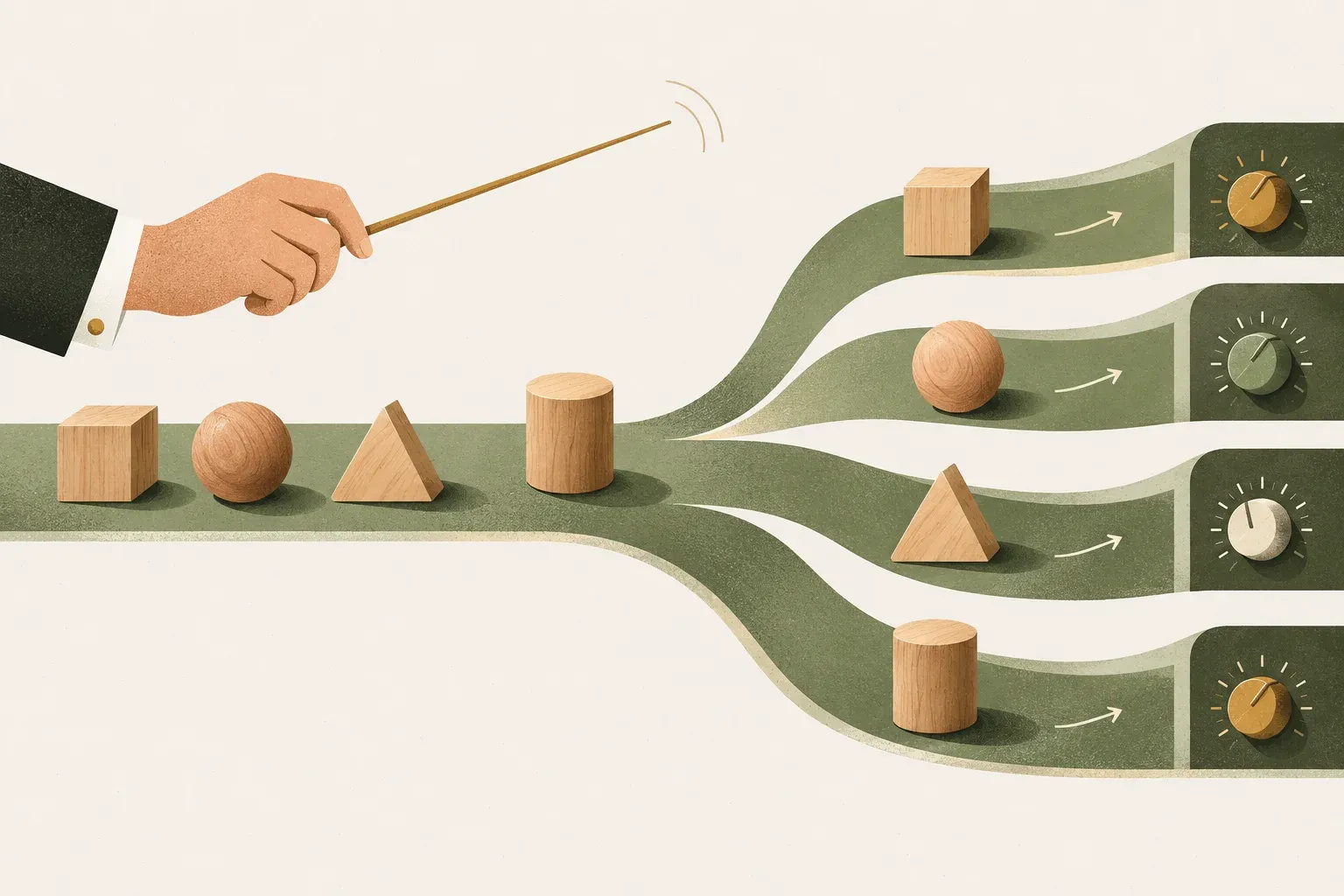
pstack is a Skill pack; setup-pstack configures it
pstack is a collection of skills for planning, coding, reviewing, and verifying software work. setup-pstack chooses a model and reasoning budget for each role so the skills can share the same rules. See the backnotprop/pstack README
This guide covers the backnotprop/pstack copy cited below. It adapts the original skills for harnesses such as Cursor and Codex. Another fork may write different rules or choose different models, even under the same skill name. Read its source first.
setup-pstack configures the model for each role
The skill checks available models and current settings, asks you to choose a budget and models, verifies their names, then writes harness-specific rules to ~/.cursor/rules/pstack-models.mdc, ~/.claude/rules/pstack-models.md or ~/.agents/pstack-models.md for other harnesses.
These are rule files, not an app database or deployment system. Installing the skill does not give your account access to new models. Each harness decides which names and rules it accepts, so check permissions and names again on another machine.
small is a preset name, not a spending cap
The reviewed copy offers four budget presets: unlimited, large, medium, and small. Small targets medium reasoning. It does not set a price or token ceiling. Check platform call limits and usage records to control spending.
The source also accepts the aliases inherit-parent and auto. They do not change with the budget. Small plus inherit-parent does not prove that every child call uses medium reasoning. Written settings and runtime behavior differ.
Testing rule generation with small and inherit-parent
In the earlier experiment, the user chose small and inherit-parent for all roles. We followed the skill instructions in a simulated home directory, without installing real rules or starting more agents. It was not a delegation or cost test.
The output had 17 role lines in this copy’s format. It used an alias rather than unverified model names and stayed the same when written again. This verifies only the configuration format, not whether a harness loads it, delegates successfully, or charges a particular amount.
The destinations and assertions are in the isolated rule-generation experiment.
Install pstack and check where it writes its rules
The mirror README gives the installation command below for supported programs. Pin the version, read the files, and check where rules will be written. The earlier experiment followed the instructions; it did not test the installer.
npx skills add backnotprop/pstackBefore using it, agree on models for each role, back up existing rules, and run one small task to see actual model calls. A written file alone does not prove delegation works.
Useful when several roles need consistent configuration
Shared rules help with several pstack skills. For short, single-agent work, extra roles and panels may add unnecessary steps. Choose based on what you need to verify.
Keep a record of the harness, skill version, models accessible to your account, and actual calls. If names or permissions change, you can investigate. For results, read How to review and accept work from an AI agent next.
Sources
Reviewed backnotprop/pstack commit 25abb38559ddbabec563646224d09eff9a250eca on October 30, 2026. The configuration-only experiment used a simulated home. It did not install real rules, launch subagents, or measure costs.