
RAG vs. Fine-tuning: Match the Method to the Task
The company manual is updated every week, but the AI still responds based on the old version. At the same time, the team wants answers that are formatted the same way every time. These two problems require different solutions: RAG helps find information, while fine-tuning uses examples to adjust the model's behavior.

Start with the question: Do you need new information or new behavior?
If the answer lacks the latest information, start by checking whether the system can retrieve the documents. That's the task for RAG. However, if the information is already in the prompt and the model still repeatedly performs incorrectly, then consider fine-tuning. Try the simpler method and evaluate the results first. Both methods can be used together.
Microsoft Learn explains that RAG retrieves relevant material and provides it as context for an answer. The Microsoft fine-tuning guide describes training on examples to adapt behavior for specific tasks. Training is not a search mechanism for current information.
How RAG works without training the model to memorize every document
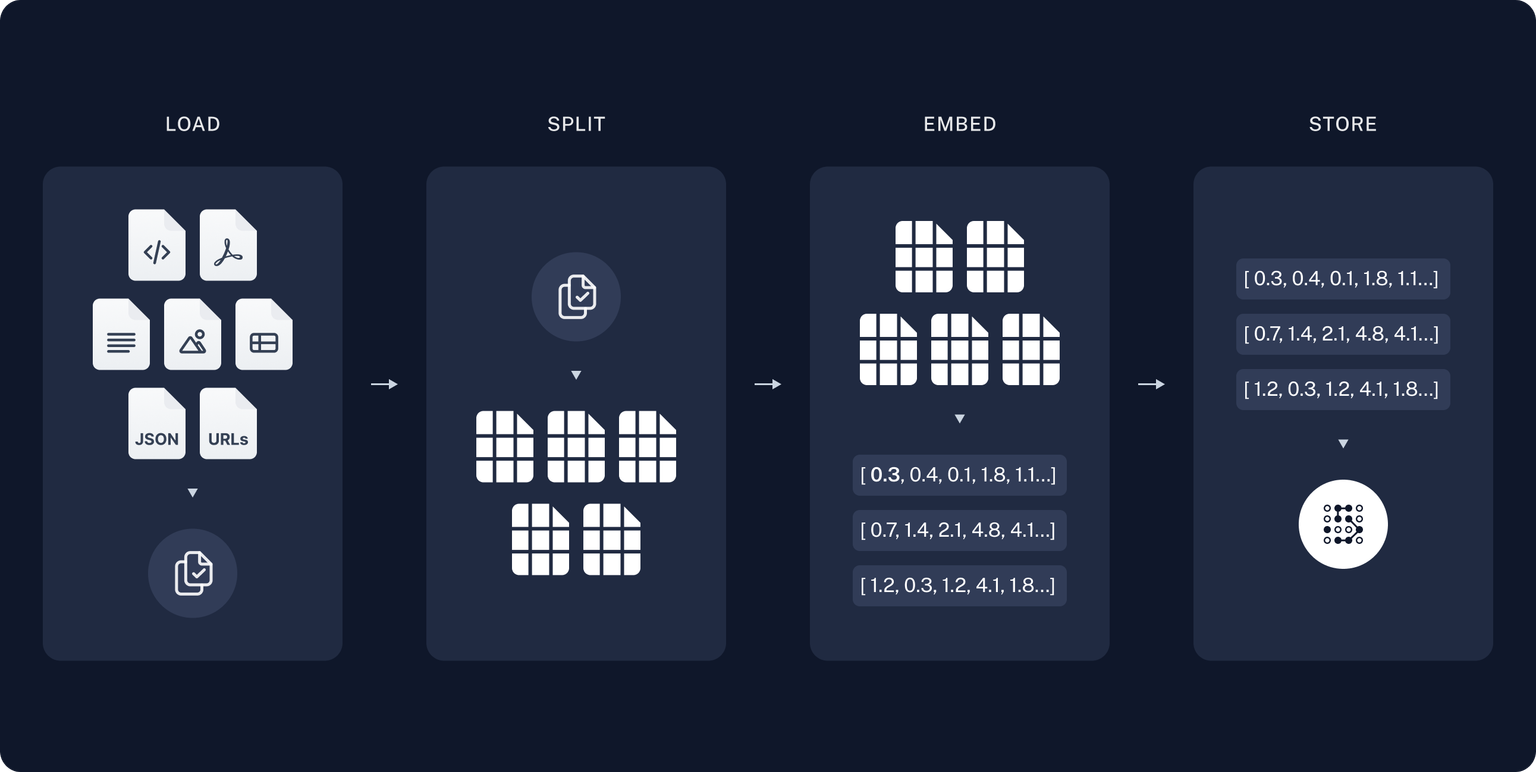
RAG (Retrieval-Augmented Generation) organizes documents into indexed chunks, then retrieves relevant passages when a question arrives retrieve → add context → generate an answer without training the model to memorize every document.
You can search by keyword, vector, or both. However, no matter how good the search technique is, it won't help if the scanned file doesn't contain text, the search permissions are set incorrectly, or parts of the table are cut off, causing the meaning to be lost. The model may start with incorrect evidence from the beginning.
Hypothetical example: The company has a January version and an October revised version of the leave policy manual. If the most recently approved version can be found with the document name and date, the reader can still verify the answer. However, if the system retrieves an older version, the model may confidently give an incorrect answer.
Fine-tuning changes model behavior through training examples
Fine-tuning continues training an existing model on examples of tasks and desired results. It may improve consistency of format, tone, or routine steps. Preparing data, training, evaluating, and maintaining model versions all take work, and accuracy is not guaranteed to improve.
Hypothetical example: A hypothetical customer support team wants to turn Thai complaints into JSON with an issue category, urgency level, and polite response. If clear instructions and a few examples still produce repeated formatting mistakes, the team could evaluate fine-tuning on a test set separate from training. Personal data must not be used for training without permission and safeguards.
Compare RAG and fine-tuning on the same task
| Issue | RAG | Fine-tuning |
|---|---|---|
| Questions answered | How to retrieve and use which source data? | How to make the model work in the desired way? |
| Frequently changing information | The document set and index can be updated | New information does not appear automatically; plan additional training or retrieval |
| traceability | Design the system to show retrieved sources | Model weights are not document reference links. |
| Main costs | Prepare documents, indexes, retrieval, and context tokens | Training dataset, evaluating, training and servicing models |
| Risk point | Wrong documents, access-control failures, prompt injection | Biased training data, learning the wrong patterns, and declining performance when tasks change |
Start with a prompt before investing in a larger system
- Specify success criteria: Must it answer from the latest documents or classify text consistently? How is accuracy measured, and who approves?
- Create a Thai test set excluded from training: Include easy, difficult, ambiguous, cross-document, and unanswerable questions.
- Try the basic method: Use the existing model with clear instructions and a few reference documents as a baseline before buying retrieval systems or training a model
- If the information is outdated or the original cannot be found: Test the retrieval system Check whether the retrieved pieces of information actually match the question or not.
- If you know the data but it's formatted incorrectly: Improve prompts or structured outputs before considering fine-tuning
- Estimate total cost: Consider data preparation, retrieval, training, compute costs, latency, and human correction time
Security and limitations that neither method solves by itself
RAG may retrieve documents containing prompt injection commands, so it is necessary to check permissions before searching and consider the content of the documents as information that should not yet be trusted. Fine-tuning, on the other hand, does not automatically set permissions or prevent data leaks. Both can still provide incorrect responses.
Before testing with contracts, customer files, or personal data, check the service provider's data submission and storage terms. Do not upload sensitive documents to public systems without authorization.
Choose a method targeting the failure before a complex system
If an answer lacks a document reference, check the document collection and search system. If the model knows the information but repeatedly gets the format wrong, try instructions and examples before training. If both problems occur, test a combined approach against real tasks. Public benchmark scores cannot replace the team’s own test set. See How to Read Benchmark Scores for context.
Sources
- Microsoft Learn: Retrieval augmented generation (RAG) and indexes
- Microsoft Learn: Fine-tuning in Microsoft Foundry
Based on Microsoft Learn documents reviewed October 13, 2026. No models were trained or live systems tested. Companies and outcomes are hypothetical, not provider performance endorsements.